
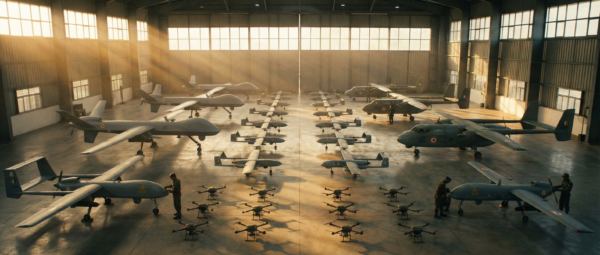
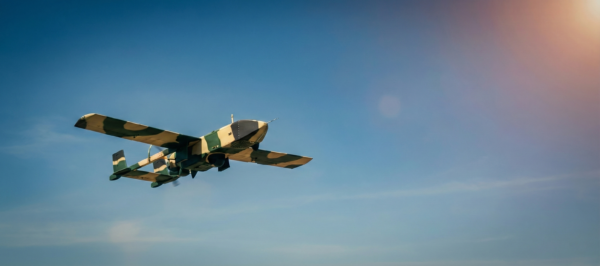
Indian Army drones are a critical component of modern military operations. They help monitor borders, gather real-time intelligence, support troops in challenging terrain, and reduce human risk. With advancements in technology and a strong push for indigenous development, drones like DRDO Rustom, DRDO Nishant, and IAI Heron are transforming how the Indian Army plans and executes missions.
This article explains how Indian Army drones are used, the types of drones, their advantages, challenges, and the future roadmap—presented in a clear, skimmable format. Army Drone: What It Is, How It Works, and How the Army Uses Drones.
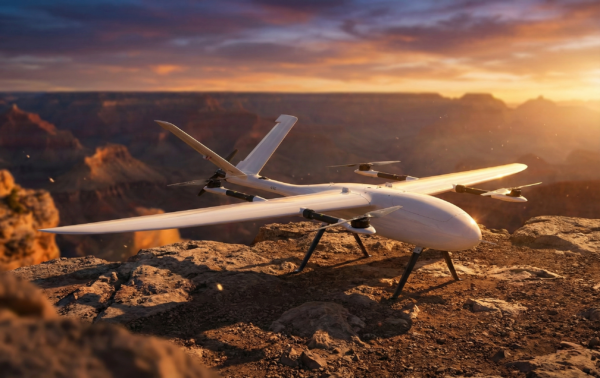
Drones provide capabilities traditional methods cannot match:
Indian Army drones act as force multipliers, improving efficiency across multiple operational roles. In-depth news coverage of the Indian Army’s homegrown drone technology.
Drones in the Indian Army serve different purposes depending on mission needs. Here’s a breakdown:
Used for intelligence gathering and monitoring:
These drones provide real-time intelligence, forming the backbone of intelligence-led operations.
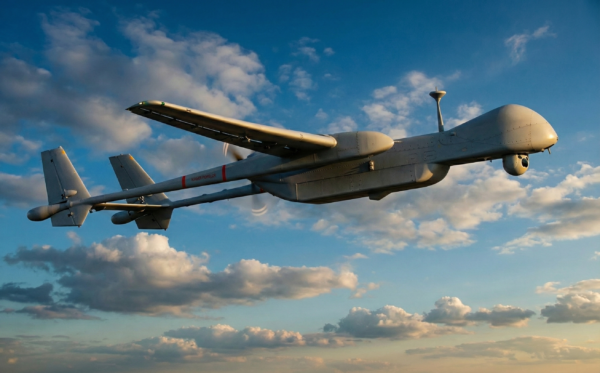
Designed for tactical engagement and battlefield support:
These drones enhance operational effectiveness while keeping soldiers safe.
Support troops in difficult or high-altitude areas:
Especially valuable in mountainous and hard-to-reach regions.
Used for operational readiness and air defense training:
These drones prepare units for real-world missions.
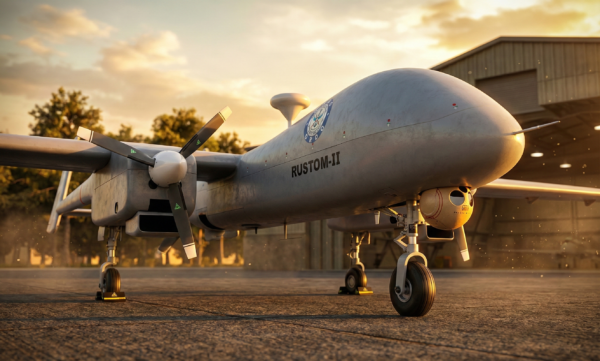
| Drone Type | Primary Role | Key Examples | Key Capabilities |
|---|---|---|---|
| Surveillance Drones | Intelligence gathering | DRDO Rustom, IAI Heron, IAI Searcher | EO/IR sensors, long endurance |
| Combat Drones | Tactical operations | Loitering UAVs, imported tactical drones | Precision targeting, real-time engagement |
| Logistics Drones | Supply delivery | Tata-DRDO VTOL drones | Heavy payload, VTOL capability |
| Training Drones | Skill development | DRDO Lakshya, DRDO Nishant | Reusable targets, simulation & testing |
These advantages directly improve operational readiness.
Even with advanced drones, operations face limitations:
The Indian Army addresses these challenges through upgrades, training, and indigenous development.
India is strengthening its domestic drone ecosystem:
The roadmap aims to reduce import reliance while enhancing operational capability.
Indian drone companies contribute by:
This ecosystem accelerates innovation and rapid deployment.
Indian Army drones like DRDO Rustom, DRDO Nishant, and IAI Heron are essential for modern military operations. They enhance surveillance, logistics, training, and tactical missions while reducing human risk. With strong indigenous development and evolving technology, drones will continue shaping India’s defense strategy and operational readiness.
The Indian Army uses surveillance, combat, logistics, and training drones such as DRDO Rustom, DRDO Nishant, IAI Heron, and DRDO Lakshya.
India uses a mix. Drones like DRDO Rustom and Lakshya are indigenous, while IAI Heron and Searcher are imported.
They monitor borders, track enemy movement, and gather real-time intelligence using high-resolution EO/IR sensors.
Yes. Many drones, including DRDO Rustom and hybrid VTOL drones, are designed for high-altitude and harsh terrain operations.
Yes. Logistics drones such as Tata-DRDO VTOL drones deliver supplies to remote and forward areas efficiently.
The future includes autonomous operations, AI integration, higher payload capacity, and expanded indigenous production.