
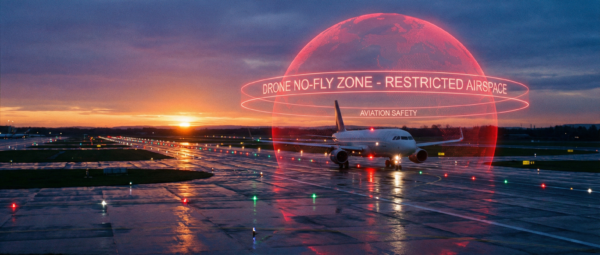
Drones are now widely used for aerial photography, agriculture, infrastructure monitoring, and surveying. However, unrestricted drone operations can pose risks to aviation safety, national security, and public privacy. To manage these risks, authorities designate specific areas as Drone No Fly Zone locations—airspaces where flying drones is restricted or completely prohibited. Understanding these zones, along with real-world examples, is critical for safe and legal drone operations. If you are interested about Indian army drone and how it operates, click here.
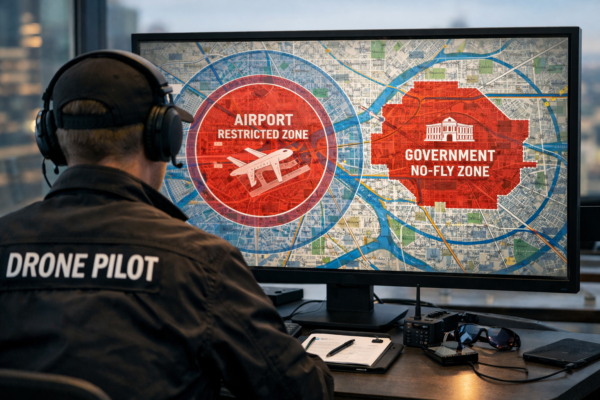
A Drone No Fly Zone refers to a defined geographical area where unmanned aerial vehicles (UAVs) are not allowed to operate without special authorization. These zones are regulated by civil aviation authorities and law enforcement agencies to protect sensitive locations and ensure orderly use of airspace. Here are rules and regulations regarding commercial drone.
No-fly zones can be permanent, such as around major airports, or temporary, such as during national events, emergency response operations, or high-security movements.
Drone no-fly zones are classified based on location sensitivity and risk level. Below are common categories with clear examples.
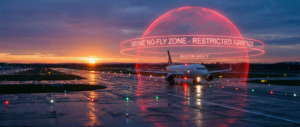
Airports are among the most strictly enforced drone no-fly areas. Drone activity near aircraft flight paths can lead to serious safety incidents.
Examples:
Typically, drone operations are prohibited within several kilometers of airport boundaries, depending on altitude and local regulations.
Border areas are designated as Drone No Fly Zone regions due to national security concerns. Unauthorized drone flights in these locations may be treated as surveillance threats.
Examples:
Flying drones near borders without government approval can result in severe legal consequences.
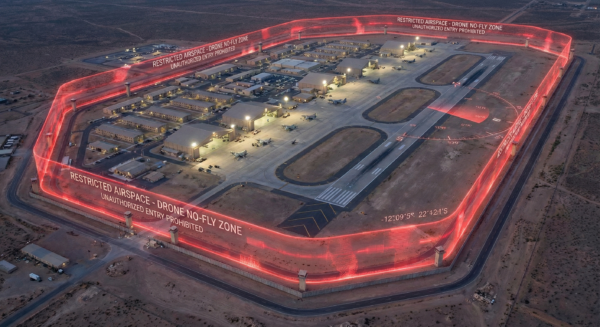
Defense-related locations are permanently restricted to protect sensitive operations, personnel, and infrastructure.
Examples:
These locations are always considered high-risk drone no-fly zones.
Government and administrative centers are protected from unauthorized aerial activity to prevent security breaches.
Examples:
Drone flights around these sites are strictly prohibited. Read the official guidelines on drone no-fly zones and airspace regulations.

Densely populated areas may have permanent or temporary drone restrictions due to safety and privacy risks.
Examples:
Temporary Drone No Fly Zone notifications are often issued during large public events.
Drone no-fly zones are not arbitrary restrictions; they serve critical purposes.
Drones flying near commercial aircraft can cause engine damage or loss of control. Separating manned and unmanned aviation is essential for safety.
Sensitive locations such as borders, military bases, and nuclear facilities must be protected from aerial surveillance or misuse.
In crowded or residential areas, drones can pose injury risks and violate individual privacy rights.
As drone usage increases, authorities must regulate airspace efficiently to avoid chaos and collisions.
Violating a Drone No Fly Zone can lead to serious consequences, including:
Commercial drone operators may also face insurance invalidation and loss of business permissions.
Civil aviation authorities provide official digital maps showing restricted and permitted drone zones.
Most modern drones use geofencing to prevent takeoff near restricted locations such as airports and government buildings.
In certain cases, pilots can apply for special permissions to fly in controlled areas, subject to approval.
Respecting Drone No Fly Zone rules ensures safer skies, protects national interests, and builds trust in the drone ecosystem. Recreational pilots avoid legal trouble, while commercial operators maintain credibility and long-term operational viability.
As drone traffic grows, stricter enforcement and advanced unmanned traffic management systems will become standard. Awareness and compliance are key to sustainable drone operations.
A Drone No Fly Zone is an area where drone flights are restricted to protect safety, security, or privacy.
Yes, airports like Delhi and Mumbai airports are permanently restricted due to aviation safety risks.
No, border areas are classified as Drone No Fly Zone regions without special government approval.
Yes, defense installations are permanent no-fly zones for civilian drones.
Yes, it is a highly secured government location with strict drone restrictions.
Yes, stadiums and large gatherings often become temporary no-fly zones.
Use official aviation maps or drone flight planning apps before flying.
Penalties may include fines, drone confiscation, or legal action.
In limited cases, authorities may grant permission under strict conditions.
Compliance ensures safety, legality, and long-term growth of the drone industry.