
Army Drone: What It Is, How It Works, and How the Army Uses Drones
Introduction
Army drones have transformed the way modern militaries observe, monitor, and respond to situations on the ground. Once limited to experimental use, drones are now an essential part of military operations worldwide, helping armies gather intelligence, monitor borders, support logistics, and respond to emergencies—while minimizing risk to human lives. How Indian Army Drones Are Used for Modern Military Operations, read here.
An army drone, also known as a military UAV (Unmanned Aerial Vehicle), is designed specifically for defense and security operations. Unlike civilian drones, army drones are built for longer endurance, secure communication, and operation in harsh or sensitive environments. Here are more detailed description, click here for more.
Places in India Where Drone Flying Is Not Allowed and Why, read about that.
In this guide, we explain what an army drone is, how army drones work, and how drones are used in the army, along with their types, legal considerations, and future role in defense. This article is written for education and awareness, offering a clear, high-level understanding of military drone technology. For those interested in understanding the cost of drones deployed by the Indian Army, click here.
What Is an Army Drone?
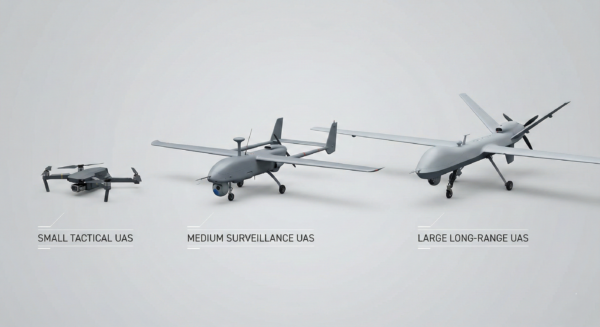
An military drone is an unmanned aerial vehicle used by the military for surveillance, reconnaissance, monitoring, logistics, and support operations without a human pilot onboard.
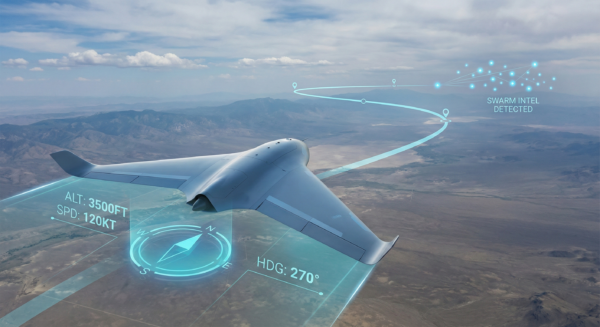
Military drones are controlled remotely by trained operators or operate using pre-programmed flight paths supported by onboard sensors and software. Their primary goal is to provide real-time situational awareness and operational support.
Military Drone vs Civilian Drone
While civilian drones are used for photography, agriculture, mapping, and inspections, army drones differ in several ways:
- Longer flight endurance
- Secure, encrypted communication systems
- Specialized sensors (thermal, night vision, radar)
- Designed for high-risk or remote environments
These differences make army drones suitable for continuous monitoring and mission-critical tasks.
How Do Army Drones Work?
Army drones work by using onboard sensors, cameras, and communication systems to transmit real-time data to a ground control station, where operators monitor and control the drone remotely or autonomously.
Core Components of an Army Drone
1. Airframe and Propulsion
The drone’s structure is designed for stability, endurance, and efficiency, depending on whether it is a fixed-wing, multirotor, or hybrid VTOL drone.
2. Sensors and Payloads
Military drones may carry:
- High-resolution cameras
- Thermal and infrared sensors
- Mapping and navigation systems
These payloads enable operation in low visibility and complex terrains.
3. Communication Systems
Secure data links connect the drone to a ground control station, ensuring real-time video feeds and telemetry data.
4. Ground Control Station
Operators monitor live data, control flight paths, and analyze information gathered by the drone.
Remote Control vs Autonomous Operation
- Remote-controlled drones rely on human operators for navigation and decisions.
- Autonomous drones use AI-assisted systems to follow predefined routes and perform routine tasks with minimal intervention.
How Are Drones Used in the Army?
Featured Snippet Target
Drones are used in the Military for surveillance, reconnaissance, border monitoring, logistics support, disaster response, and search and rescue operations.
Surveillance and Reconnaissance
One of the most common uses of army drones is monitoring large areas in real time. Drones provide continuous aerial visibility without risking personnel.
Border and Area Monitoring
Military drones help secure borders, coastlines, and sensitive zones by detecting unusual movement and providing early alerts.
Logistics and Supply Support
Some drones are used to transport essential supplies such as medical kits, spare parts, or communication equipment to remote or hard-to-reach locations.
Search, Rescue, and Disaster Support
During natural disasters, Military drones assist in locating survivors, assessing damage, and coordinating relief efforts.
Types of Army Drones
Surveillance Drones
Designed for persistent monitoring with long flight times and advanced imaging systems.
Reconnaissance Drones
Focused on intelligence gathering in complex or high-risk environments.
Tactical Drones
Smaller, short-range drones used for localized operations and rapid deployment.
Logistics and Support Drones
Built to carry payloads and assist in supply delivery and emergency support missions.
Are Army Drones Legal and Regulated?
Military drones are legal when operated under international humanitarian law, national defense regulations, and established military rules of engagement.
Military drone operations are governed by:
- International humanitarian law
- National defense policies
- Ethical and operational guidelines
Regulation ensures that drone usage aligns with safety, accountability, and legal standards.
Army Drones vs Civilian Drones (Quick Comparison)
| Feature | Army Drone | Civilian Drone |
|---|---|---|
| Purpose | Defense & security | Commercial & recreational |
| Flight Endurance | High | Limited |
| Communication | Encrypted | Standard |
| Sensors | Advanced | Basic to moderate |
| Regulation | Military law | Civil aviation law |
The Future of Army Drones
Army drone technology continues to evolve rapidly.
Key Trends Shaping the Future
- AI-powered analytics for faster decision-making
- Swarm technology for coordinated operations
- Hybrid VTOL designs for flexibility and efficiency
- Increased non-combat roles, including disaster relief and logistics
Many of these advancements are already influencing civilian and industrial drone innovation, where reliability, endurance, and autonomy are equally important.
What is an army drone?
An army drone is an unmanned aerial vehicle (UAV) used by the military for surveillance, reconnaissance, monitoring, logistics, and support operations without a pilot onboard.
How do military drones work?
Army drones work using onboard sensors, cameras, and navigation systems that transmit real-time data to a secure ground control station, where operators monitor or control the drone remotely or autonomously.
How are drones used in the military?
Drones are used in the army for border surveillance, reconnaissance, area monitoring, logistics support, disaster response, and search-and-rescue missions.
What is the difference between an military drone and a civilian drone?
Army drones are designed for endurance, secure communication, and operation in sensitive environments, while civilian drones are built for commercial, industrial, or recreational purposes under civil aviation regulations.
Are military drones autonomous?
Some army drones operate autonomously using pre-programmed flight paths and AI-assisted systems, while others are fully controlled by human operators from ground control stations.
Are military drones legal?
Yes, army drones are legal when operated under international humanitarian law, national defense regulations, and established military rules of engagement.
Do military drones require a runway to operate?
Not always. Many army drones use vertical take-off and landing (VTOL) or catapult launch systems, allowing operation without traditional runways.
What types of military drones exist?
Common types include surveillance drones, reconnaissance drones, tactical drones, and logistics or support drones, each designed for specific operational roles.
Are military drones used only for combat?
No. Army drones are widely used for non-combat roles such as monitoring borders, assisting in disaster relief, supporting logistics, and improving situational awareness.
How has military drone technology influenced civilian drones?
Military drone innovation has contributed to advances in endurance, navigation, autonomy, and reliability, which are now widely applied in civilian and industrial drones used for agriculture, logistics, inspection, and monitoring.